Published 6 September 2026
What foundation learning is for
At the beginning, recognising parts is only one task. You also need to observe a problem, handle the device safely, keep work organised and check whether the device functions after the work. Those habits connect individual repair tasks into a repeatable process.
If you can follow a replacement video but cannot explain the checks before and after it, discuss a foundation route. Familiarity with a tool is not the same as being ready to use it on a customer device.
What changes at board level
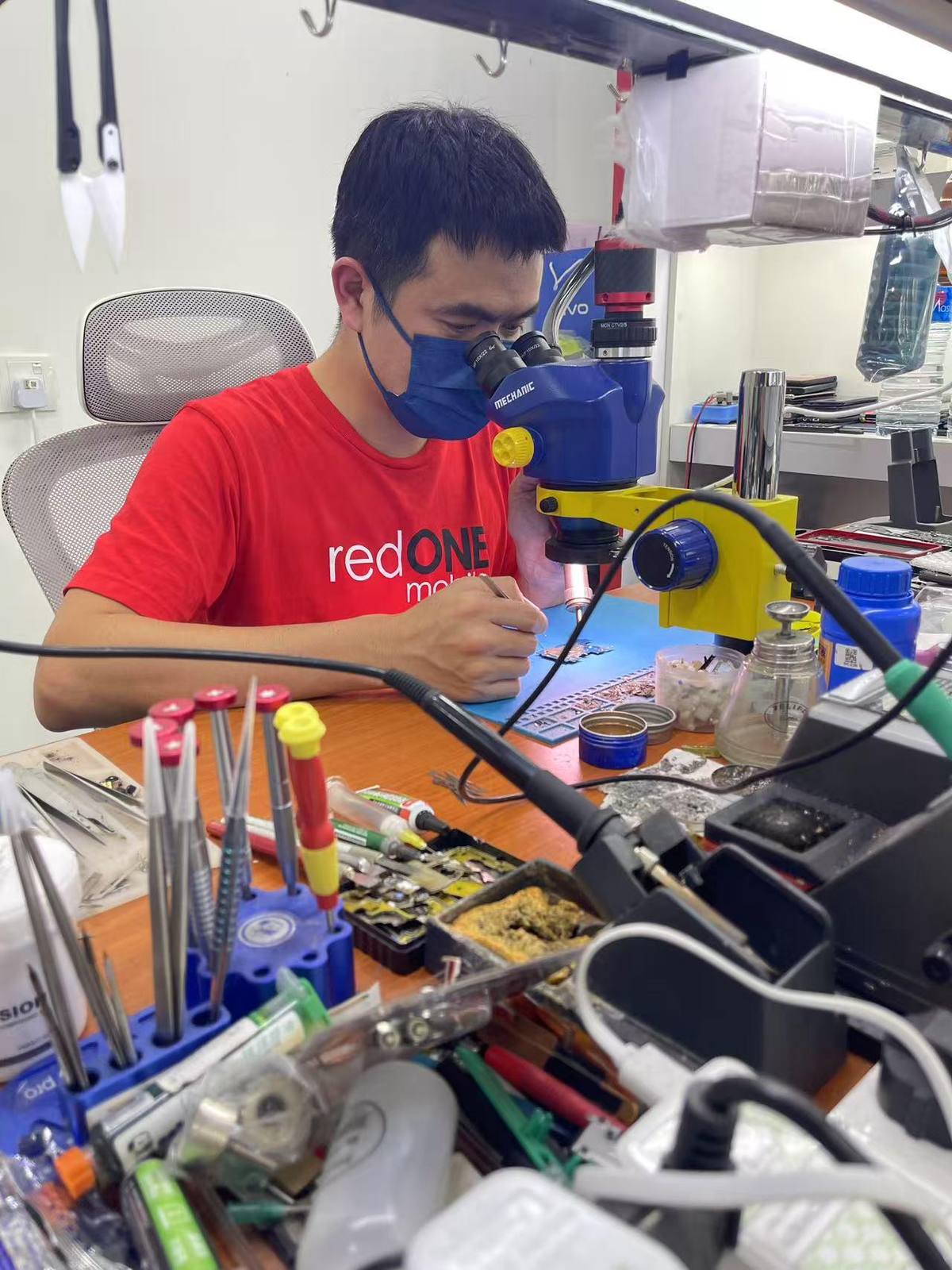
Board work asks you to narrow a fault using inspection and measurements. Microsoldering is one practical skill within that process; it is not a substitute for knowing why a component is being worked on or how the result will be verified.
An advanced-looking tool list does not establish the right starting level. Ask the trainer what understanding of devices, measurement and safe handling is expected first. This page explains learning scope, not a procedure for attempting board repair at home.
Use three readiness questions
Can I describe my diagnosis process before choosing a part? Can I explain how I check the result rather than only whether the phone switches on? Can I recognise a task that needs supervision instead of guessing?
Bring an honest example of your experience to the Academy. If these questions expose gaps, that is useful information for selecting your starting point. You do not need to exaggerate experience to ask about advanced learning.
Keep certification and skill level separate
A learning level and a certification pathway answer different questions. Ask about SKM requirements separately from which practical class matches your skills. Completing a particular practice activity should not be assumed to grant a qualification.
Start with the foundation or motherboard page below, then tell Steven what you have already done. The current module arrangement and suggested entry point should be confirmed directly.